

 EN
EN
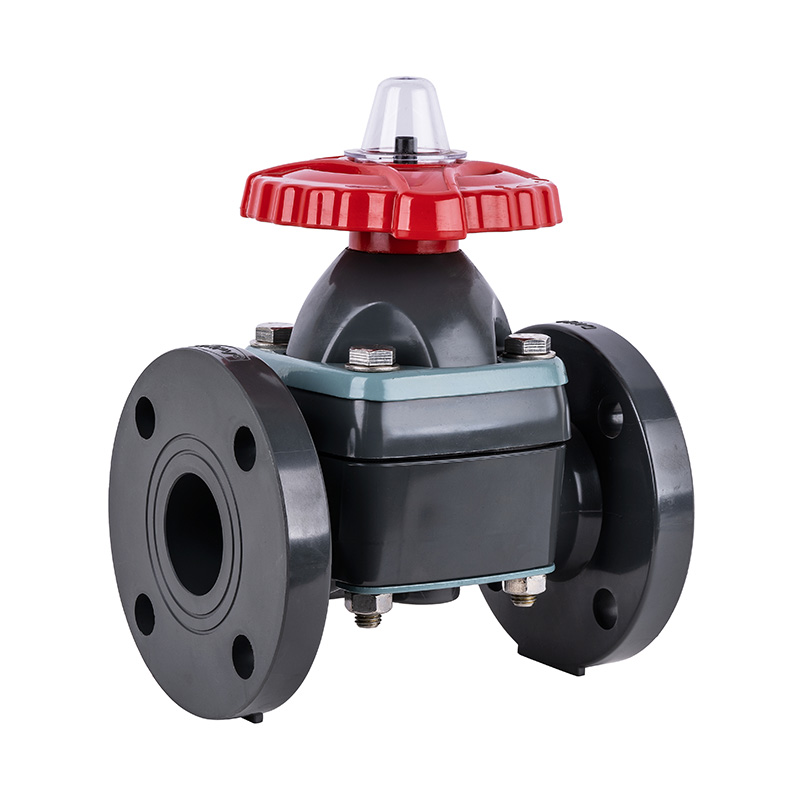
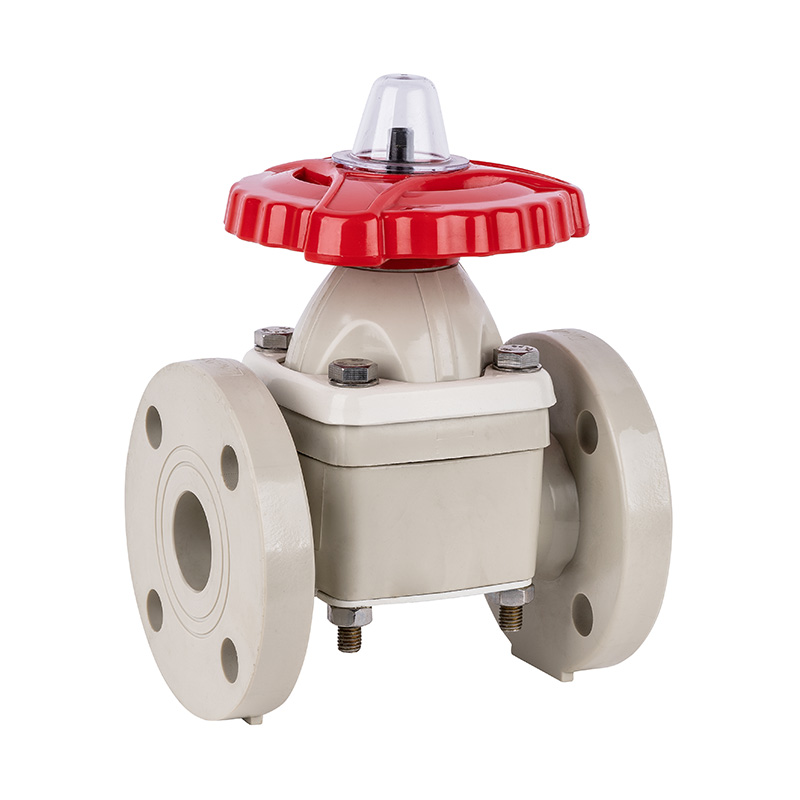
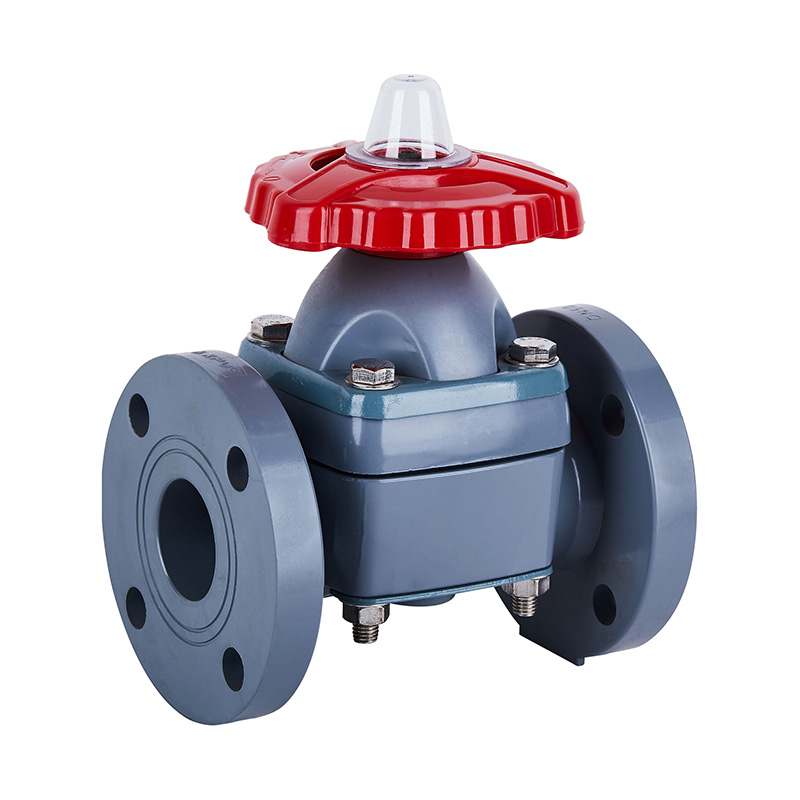
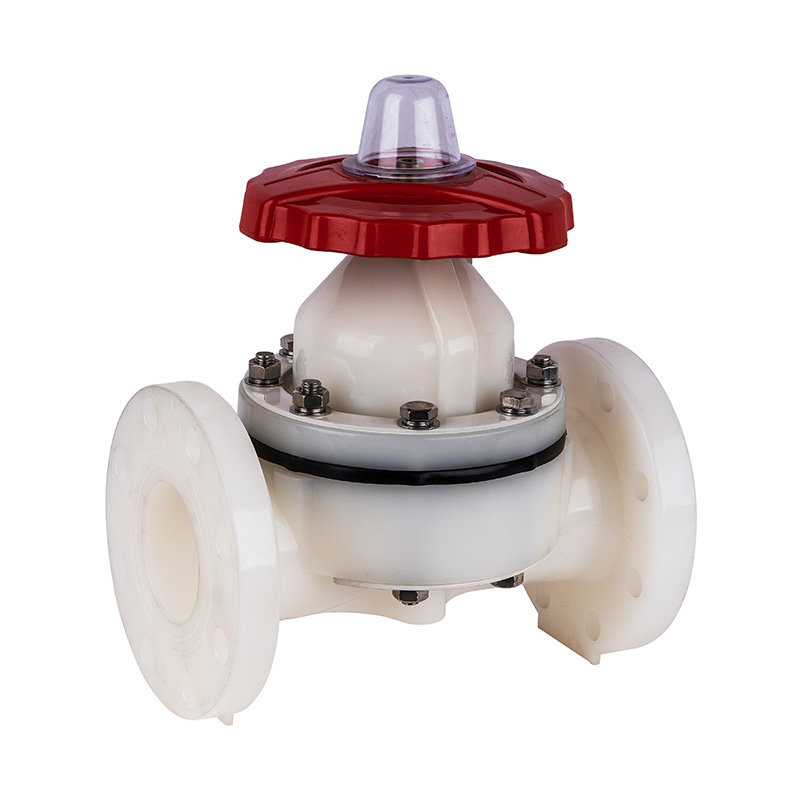
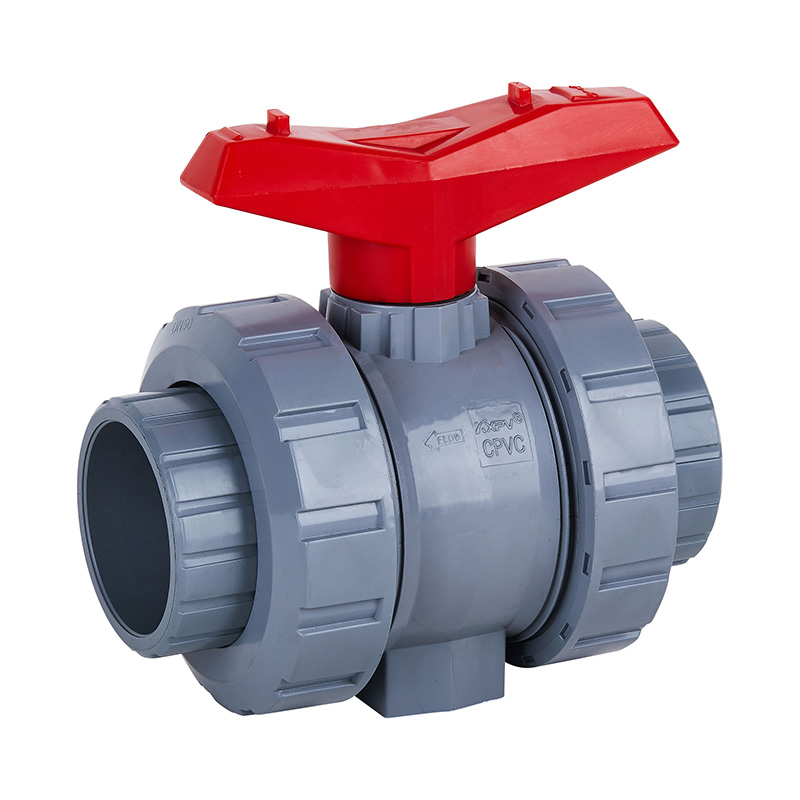
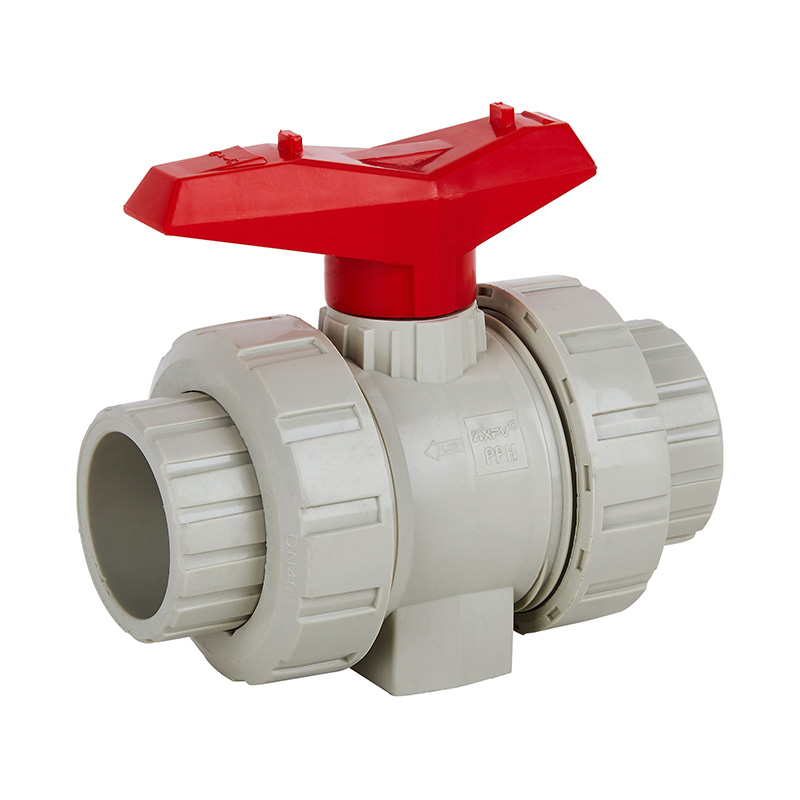
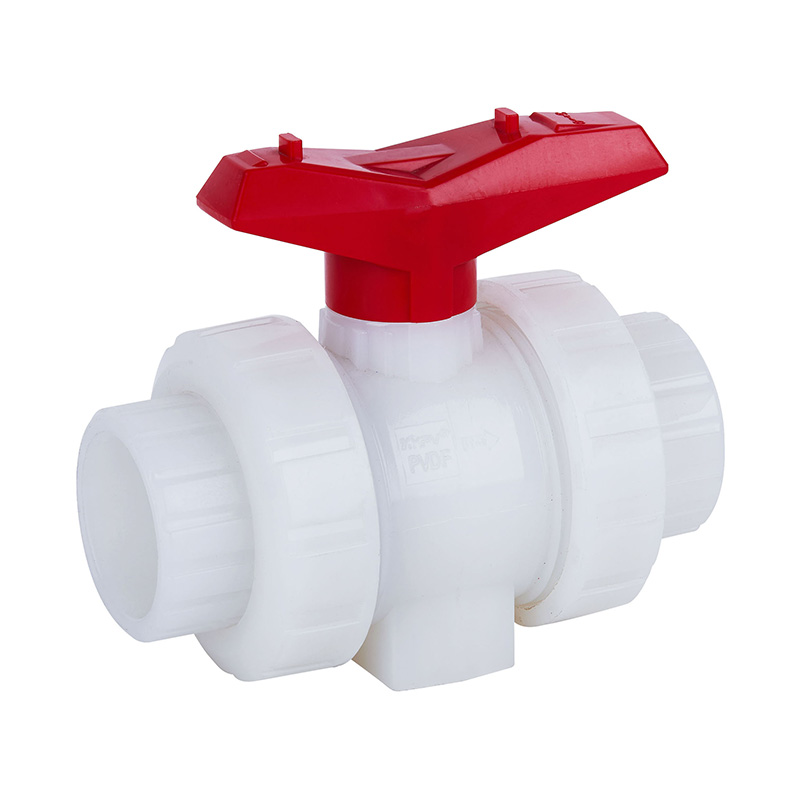
Kaixin, high-tech společnost specializující se na výzkum a vývoj, výrobu a prodej polymerových potrubních ventilů.
Koeficient tepelné roztažnosti a PVC ventil je výrazně vyšší než u kovových ventilů a mírně vyšší než u ventilů CPVC , který přímo ovlivňuje integritu potrubí při kolísání teploty. Konkrétně PVC má lineární koeficient tepelné roztažnosti přibližně 54 um/m°C , ve srovnání s 12 µm/m·°C pro uhlíkovou ocel , 17 µm/m·°C pro nerezovou ocel a 62 um/m°C pro CPVC . To znamená, že v systému, který prochází teplotním výkyvem 40 °C, by se 10metrový úsek PVC potrubí mohl roztáhnout nebo smrštit až o 21,6 mm — pohyb, který, pokud není zohledněn, může způsobit namáhání spoje, netěsnost sedla ventilu nebo nesouosost potrubí. Pochopení těchto rozdílů je zásadní pro inženýry a instalační techniky, kteří vybírají správný materiál ventilu pro tepelně dynamická prostředí.
Co je tepelná expanze a proč na ní záleží při výběru ventilu?
Tepelná roztažnost označuje tendenci materiálu měnit své rozměry v reakci na změny teploty. V potrubních a ventilových systémech tento jev vytváří mechanické namáhání v místech připojení, tělesech ventilů a potrubních spojích, kdykoli se provozní teplota odchyluje od teploty instalace.
U ventilových systémů je tepelná roztažnost obzvláště kritická, protože ventily jsou pevné body v potrubí – jsou přišroubované, přírubové nebo zabetonované na místě. Když se okolní potrubí roztahuje nebo smršťuje jinou rychlostí než tělo ventilu, výsledné rozdílové napětí může:
- Praskněte rozpouštědlem cementované spoje v instalacích PVC ventilů
- Způsobit deformaci sedla nebo selhání těsnění v těle ventilu
- Uvolněte závitové spoje během opakovaných tepelných cyklů
- Zaveďte axiální zatížení na sousední součásti potrubí
Výběr materiálu ventilu, jehož tepelná roztažnost je kompatibilní se zbytkem potrubního systému, proto není pouze hlediskem výkonu – je to požadavek na konstrukční bezpečnost.
Koeficienty tepelné roztažnosti: PVC ventil vs. kov vs CPVC – přímé srovnání
Níže uvedená tabulka shrnuje lineární koeficienty tepelné roztažnosti a příslušné teplotní třídy nejběžněji srovnávaných materiálů ventilů v průmyslových a komerčních potrubních systémech.
| Materiál ventilu | Koeficient tepelné roztažnosti (µm/m·°C) | Maximální provozní teplota (°C) | Expanze přes 10 m při ΔT=40°C (mm) |
|---|---|---|---|
| PVC | 54 | 60 | 21.6 |
| CPVC | 62 | 93 | 24.8 |
| Uhlíková ocel | 12 | 425 | 4.8 |
| Nerezová ocel (316) | 17 | 870 | 6.8 |
| Tvárná litina | 11 | 350 | 4.4 |
| Mosaz | 19 | 200 | 7.6 |
Tato čísla odhalují zarážející nepoměr: ventilový systém z PVC se rozšiřuje zhruba 4,5krát více než systém z uhlíkové oceli za stejných teplotních podmínek. Důležité je, že CPVC se ve skutečnosti roztahuje o něco více než PVC, což je detail, který je často přehlížen, když se inženýři domnívají, že CPVC je univerzálně lepší termoplast.
Jak tepelná expanze PVC ventilu ovlivňuje integritu potrubí v praxi
Napětí spojů a spojů
Nejběžnějším způsobem selhání spojeným s tepelnou roztažností PVC ventilu je koncentrace napětí ve spojích cementovaných rozpouštědlem. Když je PVC ventil instalován mezi dva pevně podepřené potrubí, opakované tepelné cykly způsobí, že plast tlačí a táhne proti pevným spojům. Postupem času může dojít k mikrotrhlinám cementového spoje, což vede k pomalému prosakování nebo náhlému oddělení spoje.
Naproti tomu ventil z nerezové oceli instalovaný v kovovém potrubí se svařovanými spoji vykazuje téměř nulové diferenciální expanzní napětí , protože jak ventil, tak potrubí expandují srovnatelnou rychlostí. To je jeden z klíčových důvodů, proč systémy kovových ventilů vyžadují méně kompenzátorů a jsou preferovány v aplikacích s velkými teplotními výkyvy.
Integrita sedla ventilu a těsnění
Uvnitř samotného ventilu z PVC ovlivňuje tepelná roztažnost také sedlo ventilu a těsnicí součásti. Jak se PVC tělo roztahuje, rozměrové změny mohou změnit kompresní sílu na elastomerových sedlech (typicky EPDM nebo Viton). U kulových ventilů to může způsobit, že se kulička během tepelné expanze zachytí v těle ventilu a zvýší se ovládací moment. U škrticích ventilů se vůle mezi kotoučem a sedlem může natolik změnit, že způsobí netěsnost při tepelném cyklování, zejména u velikostí nad DN100.
Axiální přenos zatížení
Když je ventil z PVC pevně ukotven mezi dvěma podpěrami potrubí, tepelná roztažnost vytváří axiální tlakové síly během zahřívání a tahové síly během chlazení. Pro PVC trubku typ 80 o průměru 50 mm může nárůst teploty o 20 °C generovat axiální přítlačné síly přesahující 500 N — dostatečné k posunutí podpěr lehkých trubek nebo napěťových přírubových spojů, pokud nejsou řádně zohledněny v návrhu systému.
Ventil PVC vs ventil CPVC: Když je rozdíl v tepelném chování kritický
Zatímco CPVC ventily mají o něco vyšší koeficient roztažnosti než PVC ventily, CPVC je dimenzován pro nepřetržitý provoz až 93 °C oproti limitu PVC přibližně 60 °C . To znamená, že CPVC je preferovanou volbou termoplastických ventilů pro horkovodní systémy, chemické zpracování při zvýšených teplotách nebo protipožární vedení přepravující ohřáté kapaliny.
Protože však oba materiály expandují podstatně více než kovy, instalace ze smíšených materiálů – například ventil CPVC v převážně ocelovém potrubí – vyžadují pečlivou konstrukci. Nesoulad v rychlostech expanze vytváří rozdílné napětí na přechodových přírubách, které musí být řešeno pružnými konektory nebo expanzními smyčkami.
Klíčové praktické rozdíly mezi PVC a CPVC ventily v tepelně proměnných prostředích zahrnují:
- PVC ventily jsou nákladově efektivní pro provoz za studena až do okolní teploty (nepřetržitě až do ~45 °C), ale postupně slábnou a jsou náchylnější k expanzi nad 50 °C.
- CPVC ventily udržují strukturální tuhost při vyšších teplotách, díky čemuž jsou vhodnější pro systémy s tepelnými cykly mezi 60 °C a 90 °C.
- Ventily z PVC i CPVC vyžadují kompenzace dilatace přibližně každých 6–8 metrů přímého vedení v tepelně dynamických systémech ve srovnání s každých 20–30 metrů u ekvivalentních ocelových potrubí.
Technická řešení pro správu tepelné expanze ventilů z PVC
Zkušení návrháři systémů používají několik praktických strategií ke zmírnění rizik integrity, která představuje tepelná roztažnost ventilů z PVC:
- Expanzní smyčky a ofsety: Začlenění trubkových smyček ve tvaru U nebo směrových přesazení v blízkosti ventilu z PVC umožňuje potrubí ohýbat se a absorbovat expanzi bez přenášení zatížení na tělo ventilu nebo spoje.
- Flexibilní spojovací konektory: Instalace pružných spojek nebo pryžových kompenzátorů na obě strany ventilu z PVC oddělí ventil od axiálního tepelného pohybu v sousedním potrubí.
- Správná vzdálenost podpěr potrubí: Termoplastické vodicí podpěry potrubí (nikoli tuhé svorky) by měly být rozmístěny v intervalech doporučených výrobcem – obvykle 1,0 až 1,5 metru pro 25 mm PVC při 40 °C – aby se zabránilo prohýbání a vyboulení při tepelném zatížení.
- Kompenzace teploty instalace: Instalatéři by měli vzít v úvahu rozdíl mezi okolní teplotou instalace a očekávaným rozsahem provozních teplot systému při předběžném umístění PVC ventilů a potrubí do neutrálních poloh.
- Vyhněte se tuhým spojům ze smíšených materiálů: Tam, kde se ventily z PVC musí připojovat ke kovovému potrubí, vždy používejte přírubové nebo spojové spoje spíše než přímé závitování, aby se umožnil rozdílný pohyb bez vytváření destruktivních koncentrací napětí.
Kdy zvolit kovový ventil před ventilem z PVC na základě tepelného chování
Navzdory svým výhodám v odolnosti proti korozi a ceně není ventil z PVC vždy tím správným nástrojem pro tepelně náročná prostředí. Kovové ventily – zejména nerezová ocel nebo tvárná litina – by měly být upřednostněny, když:
- Systém pravidelně funguje výše 60 °C , kde tlak PVC prudce klesá (PVC ventil s jmenovitým tlakem 16 barů při 20 °C může být dimenzován pouze na 4 bary při 60 °C).
- Teplotní cykly jsou časté a rychlé, jako například ve zpětných potrubích pro kondenzát páry nebo průmyslových výměnících tepla, kde by únavové selhání z opakovaných expanzních cyklů ohrozilo životnost ventilu z PVC.
- Potrubí je primárně kovové a je vyžadováno pevné ukotvení ventilu, takže rozdílná roztažnost mezi tělem ventilu z PVC a okolní ocelovou trubkou je konstrukčně nepřijatelná.
- Požární bezpečnostní předpisy vyžadují nehořlavé materiály ventilů v zóně instalace.
naopak ventil z PVC zůstává optimální volbou v rozvodech studené vody, v systémech dávkování chemikálií při okolních teplotách, v zavlažovacích sítích a odvodňovacích aplikacích – v prostředích, kde je jeho tepelná roztažnost zvládnutelná a jeho odolnost proti korozi a nízká hmotnost poskytují jasné výhody oproti kovovým alternativám.
Přizpůsobení tepelných vlastností ventilu PVC požadavkům vašeho systému
Koeficient tepelné roztažnosti a PVC valve — at roughly 54 um/m°C — je definující materiálová charakteristika, která musí být ústřední pro jakýkoli návrh systému zahrnujícího kolísání teploty. Roztahuje se čtyřikrát až pětkrát více než kovové ventily a o něco méně než ventily CPVC, takže je vhodný pro aplikace s nízkou až střední teplotou, ale vyžaduje záměrné technické řízení v systémech s tepelným cyklováním.
Pochopením těchto kvantitativních rozdílů a použitím vhodných strategií zmírnění – kompenzátorů, správné rozmístění podpěr a kompatibilních metod připojení – mohou inženýři a odborníci na údržbu s jistotou nasadit ventily z PVC tam, kde vynikají, a zároveň činit informovaná rozhodnutí o upgradu na ventily CPVC nebo kovové ventily tam, kde tepelné požadavky převyšují možnosti PVC.

 Sídlo: č. 539 Bohai Road, okres Beilun, město Ningbo, provincie Zhejiang, P.R. China
 +86-18067123177